

How Neobanks Earn Stablecoin Yield on Treasury Without Losing Liquidity

Elena Beech
Key Takeaways
Why Neobanks Should Put Their Stablecoins to Work
In 2025, the global neobanking market was valued at over $210 billion and is projected to hit $3.4 trillion by 2032. Despite this strong growth trajectory, 76% of neobanks globally still remain unprofitable today. One commonly-overlooked revenue stream is stablecoin yield, especially since neobanks are holding increasingly large stablecoin treasury balances in USDT, USDC, and EURC
While these underutilized reserves could be generating a ~2-10% yield, they are often left to sit stagnant. Integrating stablecoin yield infrastructure isn’t just another revenue stream; it’s also a strong driver for user acquisition and retention. By enabling users to earn yield, companies offer a high-demand feature that improves the overall customer experience and drives growth.
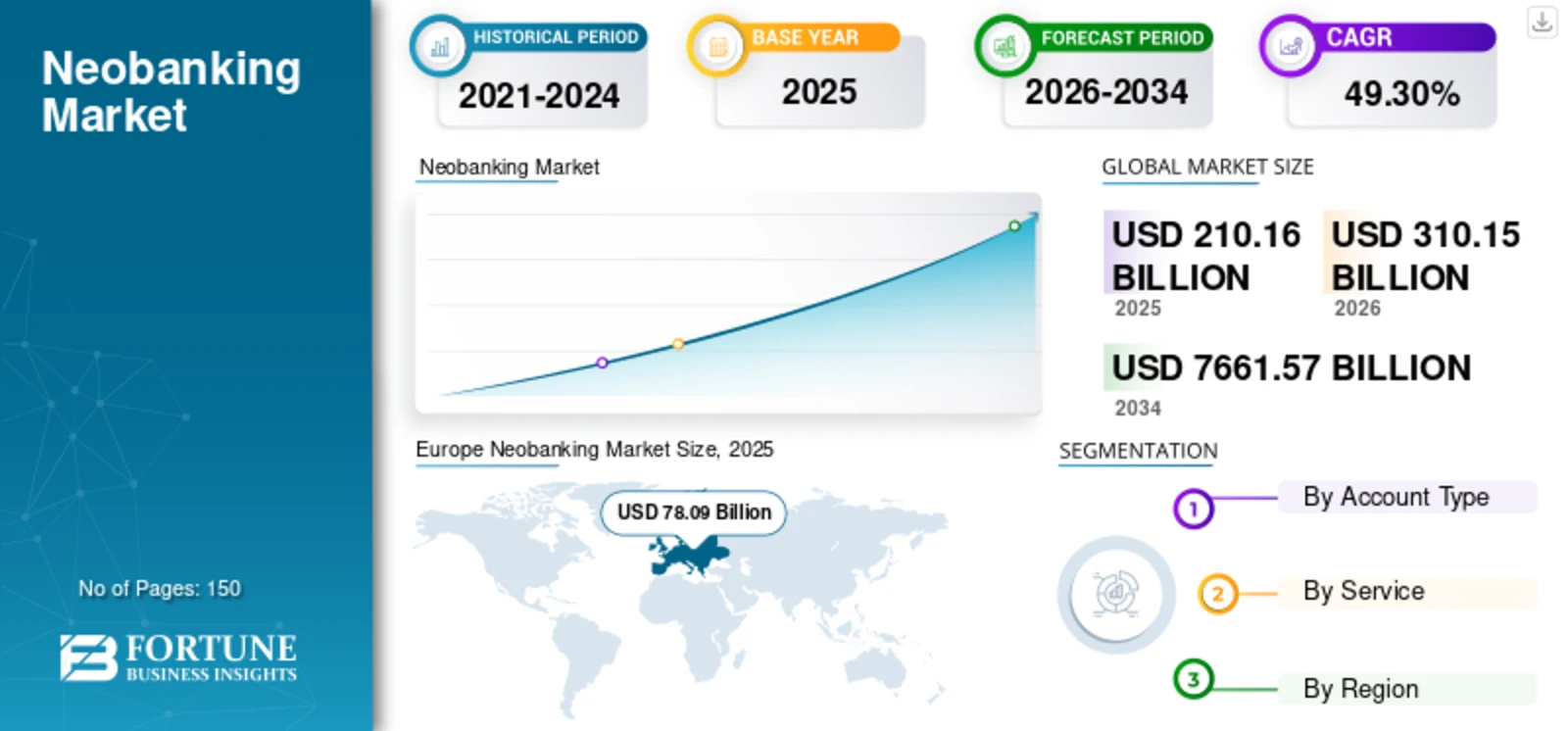
Source: Fortune Business Insights
How Neobanks Earn Stablecoin Yield on Treasury
Stablecoins do not appreciate in value. So to earn yield, when a stablecoin is minted, the underlying dollar is held in a reserve. These reserves are usually made up of U.S. Treasuries, money market funds, cash, ETFs, and earn interest. That reserve yield model is what is making stablecoin issuance extraordinarily profitable. In fact, Tether reported $5.7 billion in net profit in the first half of 2025 alone from utilising this model. This yield is however, not passed down to the stablecoin holders.
As such, neobanks that use institutional infrastructure providers such as OpenTrade to deploy treasury stablecoins into bankruptcy-remote special purpose vehicles (SPVs) that invest in short-duration financial instruments. This structure allows yield to be generated from real-world assets while preserving daily liquidity and operational access to funds.
For neobanks, earning yield works as a holder of stablecoins, not as an issuer. Here’s how the process works with OpenTrade:
Complete a quick onboarding & KYB process
Choose a yield product based on goals and risk appetite
Deploy USDT, USDC, or EURC to the chosen yield vault via the web app
Stablecoin deposit is automatically converted to USD and used to purchase eligible financial assets
Interest starts accruing immediately and compounds daily; neobanks receive ERC-20 "Vault Tokens" as a receipt token that automatically tracks their growing balance
Stablecoin APIs for Banks: Plug In, Don't Build From Scratch
The barrier to entry for neobank treasury management has dropped significantly. Neobanks no longer need to build yield infrastructure from scratch, which would require significant capital, time, and labor.Yield on stablecoin API for banks:
Instant deposit and withdrawal functionality with no transaction fees
Real-time balance and interest reporting
Full legal compliance through bankruptcy-remote SPVs and regulated custodians
Weekly attestations from a regulated asset manager
White-label options so the product carries the neobank's brand
OpenTrade's platform delivers exactly this. API-first, backed by Circle and a16z Crypto, with over $268M in annual transaction volume and asset management by Five Sigma Finance, a UK-regulated firm managing over $6B for institutional clients. For neobank CFOs and treasury managers, the question isn't whether this is technically feasible. It is. The question is why it hasn't already been activated.
Liquidity Management for Neobanks: The Trade-off That No Longer ExistsA common concern that neobanks have when considering engaging with a stablecoin yield product is the idea that funds have to be locked up to earn returns. Today, neobanks earn stablecoin yield on treasury without losing liquidity when the underlying yield infrastructure offers daily redemption and invests only in short-duration, highly liquid real-world assets.
This means neobanks can deploy their idle treasury balances into yield-generating structures without risking their ability to meet withdrawal demand or operational needs. Yield and liquidity are no longer a trade-off.
Neobanks Already Generating Stablecoin Yield on TreasuryAcross Latin America, Africa, and Southeast Asia, neobanks and fintechs are already deploying idle treasury balances through stablecoin yield infrastructure and seeing measurable results.
Littio (Colombia) generated over $250,000 in user earnings in just four months, turning stablecoin yield into a user retention tool as well as a new revenue line. Midas Kripto (Turkey) delivered predictable 4%+ APR to 500,000 users in a market where local currency volatility makes stablecoin savings a rational financial decision. Kredete (Africa) built a 2–9% yield product available to its 500,000+ users, providing a savings experience their users couldn't access through traditional banking at all.
Can neobanks earn stablecoin yield on treasury without risking liquidity?
Yes. Institutional stablecoin yield products are structured with no lock-up periods and no exit fees. Interest accrues daily, and funds can be withdrawn at any time. Liquidity management for neobanks doesn't have to be a trade-off with the ability to access yield. The right infrastructure preserves both.
What stablecoins are safest for treasury yield?
USDT and USDC are the most widely supported stablecoins for institutional yield. USDT has more global liquidity and suits platforms operating across multiple jurisdictions. USDC is the go-to for U.S.-regulated entities due to its full-reserve backing and regulatory transparency. Most platforms maintain positions in both. For euro-denominated balances, EURC is increasingly relevant since the MiCA compliance frameworks were put in place across the EU.
What problems faced by neobank customers could stablecoin yield solve?
One of the most direct pain points that stablecoin yield addresses is savings erosion. In markets with high inflation or currency devaluation, such as Argentina, Turkey, Nigeria, and much of Southeast Asia, users who hold local currency as savings lose purchasing power year-on- year. Stablecoin yield for neobanks gives customers access to dollar savings that earn yield, without leaving the app.
Is this the same as DeFi yield?
No. Neobanks earn stablecoin yield on treasury through regulated real-world financial instruments and not through DeFi lending or liquidity pools.
DeFi yield depends on borrower demand, protocol mechanics, and smart-contract risk, while institutional stablecoin treasury yield is generated from government and money-market instruments held inside regulated fund structures and managed by professional asset managers.
This makes stablecoin treasury yield a fundamentally different risk model for neobank treasury and risk teams.
Elena Beech